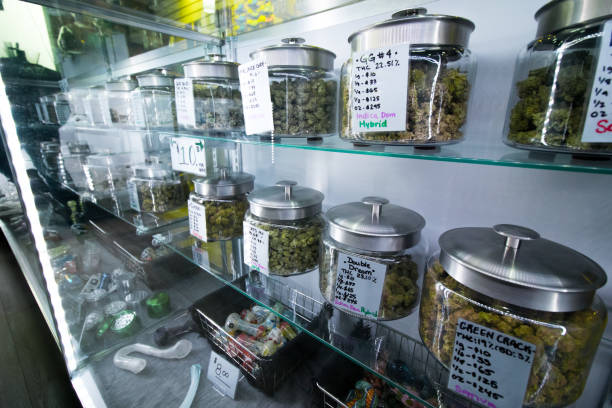
8 Essential Tips for First-Time Buyers at a Weed Dispensary Dumbo

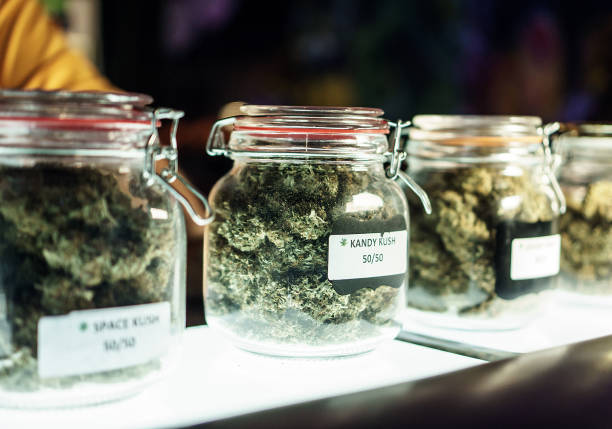
The process of choosing and buying cannabis. Asian woman sniffs cannabis product in glass jars presented by an employee while in shop. cannabis dispensary stock pictures, royalty-free photos & images

Stepping into the world of medical marijuana for the first time can feel overwhelming. However, with the right knowledge and preparation, you can make informed decisions and have a positive experience. Below are eight essential tips to help you navigate your journey as a first-time medical marijuana buyer.

1. Inform Yourself About Local Laws and Regulations

Understanding the legal requirements in your state or region is crucial when purchasing medical marijuana. Research key details such as: – Minimum age requirements – Restrictions on possession limits – Approved conditions for medical marijuana use – Guidelines on transporting cannabis products

Check official government websites or consult local authorities to ensure compliance with all applicable laws.

2. Obtain a Valid Medical Marijuana Card

Before visiting a dispensary, secure your medical marijuana card if required in your jurisdiction. Having this documentation verifies your eligibility to purchase cannabis for medicinal purposes. The process often involves consulting a licensed physician who evaluates whether you qualify based on approved health conditions.

3. Start With Small Purchases

As a beginner, it’s advisable to begin with smaller quantities until you understand how certain products affect you. This allows you to experiment without wasting money on items that might not suit your needs.

4. Learn About Strains and Their Effects

Medical marijuana comes in three main types of strains: Indica, Sativa, and Hybrid. Familiarize yourself with their effects: – Indica: Known for relaxation and pain relief. – Sativa: Provides uplifting energy and focus. – Hybrid: Combines characteristics of both Indica and Sativa for balanced effects. Choosing the right strain depends on your specific condition or desired outcome.

5. Ask Questions at the Dispensary

Budtenders at dispensaries are trained professionals who can guide you through product selections based on your needs, preferences, or health concerns. Don’t hesitate to ask about: – THC vs CBD ratios – Alternative consumption methods (e.g., edibles, tinctures) – Onset times for different products

This interaction helps build trust while ensuring you leave with suitable options.

6. Choose the Right Consumption Method

Different consumption methods may have varying onset times, effectiveness, and durations of impact: | Consumption Method | Key Features | Time to Take Effect | |———————|—————————————————|———————| | Smoking | Quick results; may irritate lungs | Minutes | | Edibles | Longer-lasting but delayed effects | 30–90 minutes | | Tinctures | Easy dosage control; absorbed sublingually | ~15 minutes | | Topicals | Applied directly to skin; localized relief only | Varies |

Evaluate which method aligns best with your lifestyle and medical needs.

7. Be Mindful of Dosage Levels

Start low and go slow—this is especially important when trying new products or higher-potency items like concentrates or edibles. Begin with small doses and gradually increase only as needed while monitoring how your body responds.

8. Track Your Experiences

To optimize future purchases, maintain a journal detailing aspects such as: – Strain/product names used – Dosage levels – Consumption method – Symptom relief achieved This record will serve as a valuable reference point when selecting products during subsequent visits.

By following these tips as a first-time buyer, you’ll be better prepared to make educated choices that align with both legal guidelines and personal wellness goals while shopping at medical marijuana dispensaries efficiently.

Navigating Legal Regulations at a Dispensary in Dumbo

Navigating the legal landscape surrounding medical marijuana is crucial for first-time buyers. Laws and regulations vary significantly by location, so understanding them will ensure you remain compliant while accessing the therapeutic benefits of cannabis. Below are key considerations to help you better understand the legal framework of medical marijuana use.

Understanding State and Local Regulations for Marijuana Dispensary Dumbo

  • Eligibility Requirements: Understand the list of qualifying medical conditions in your state. Commonly approved conditions include chronic pain, anxiety, PTSD, epilepsy, and cancer-related symptoms.
  • Possession Limits: States typically enforce possession caps for medical marijuana users. For example: | State | Possession Limit | |———————–|——————————–| | California | Up to 8 ounces or six plants | | New York | 30-day supply | | Florida | 2.5 ounces per 35 days |
  • Age Restrictions: Most states require patients to be at least 18 years old to apply for a medical marijuana card. Some allow minors with qualifying conditions if a parent or guardian serves as a caregiver.

Navigating Federal Considerations for a Recreational Dispensary in Dumbo, Brooklyn

  • Crossing state lines with cannabis is illegal under federal law, even if both states permit medical use.
  • Cannabis cannot legally be transported on federally regulated modes of transport like airplanes or trains.

Acquiring a Medical Marijuana Card

  1. Consultation with a Licensed Physician: A healthcare provider must assess your condition and determine if you qualify.
  2. Application Submission: Patients must apply through their state’s dedicated program or registry platform and pay any associated fees.
  3. Approval and Issuance: Once approved, you’ll receive your card, granting access to dispensaries.

Workplace Policies and Drug Testing

  • Many workplaces continue drug testing employees for THC (the psychoactive compound in cannabis).
  • Some employers may offer accommodations for those with valid medical cards; however, this varies widely by company policy and local laws.

Avoiding Legal Pitfalls

  • Always purchase from licensed dispensaries to verify product quality and legality.
  • Keep your medical marijuana card on hand at all times.
  • Avoid public consumption unless explicitly permitted by local regulations.

Understanding these regulatory aspects not only protects you legally but also ensures a smoother experience as you explore the potential benefits of medical marijuana therapy.

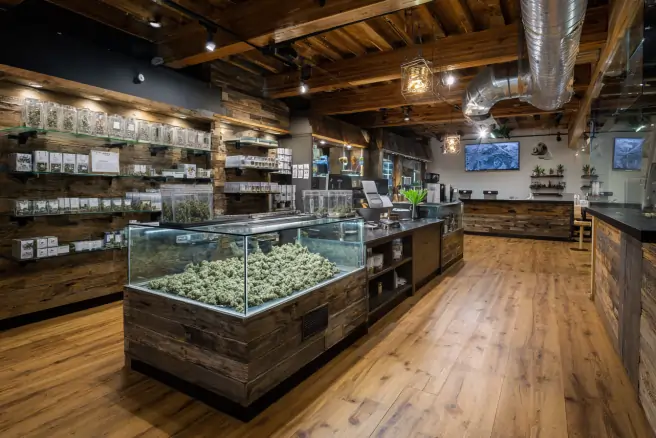
Selection of cannabis and legal medical recreational retail store Selection of medical recreational cannabis at a legal retail store cannabis dispensary stock pictures, royalty-free photos & images

How to Verify Licensing and Credibility at a Cannabis Dispensary Dumbo, NY

When purchasing medical marijuana, one of the most critical steps is ensuring that the dispensary you choose is both credible and properly licensed. With the growing number of dispensaries in many regions, verifying legitimacy helps ensure product safety, compliance with legal standards, and an overall positive experience. Below are key considerations and actionable tips for researching dispensary credibility and confirming their licensing.

Why Verifying Licensing Is Important

  • Contaminated Products: Illegally sourced cannabis may contain harmful pesticides, mold, or other contaminants.
  • Inaccurate Labeling: Unregulated products may provide misleading information about THC/CBD content or strain details.
  • Legal Risks: Buying from unlicensed vendors can lead to legal repercussions in regions where strict cannabis laws apply.

Ensuring a dispensary’s credentials protects your health and keeps you compliant with local regulations.

Steps to Verify Dispensary Licensing

  1. Check Local Government Databases
    Many states or provinces maintain online directories of licensed dispensaries. Search for the specific business name or address to confirm they are authorized to operate.
  2. Ask Directly at the Dispensary
    A legitimate dispensary should have no issue providing proof of their license upon request. Look for certificates displayed prominently in-store or inquire about their licensing status.
  3. Review Their Website
    Most credible dispensaries display their licensing information on their website. Check for details such as license numbers, state approval seals, or other verifiable credentials.
  4. Examine Product Testing Labels
    Licensed businesses are typically required to sell products tested by third-party laboratories. Look for lab results on product packaging that confirm cannabinoid content and purity levels.
Key Information to Look For Examples
License Number 12345ABC
State Approval Seal Verified by [State Name]
Lab Testing Tags THC 20%, CBD 0%, Pesticide-Free

Evaluating Credibility Beyond Licensing

  • Customer Reviews: Read online reviews on trusted platforms like Google or Yelp to gauge customer satisfaction.
  • Product Variety: A reputable dispensary offers a diverse selection of strains, edibles, tinctures, and concentrates.
  • Transparency: Staff should provide clear and accurate information about products without pressuring customers into unnecessary purchases.
  • Safety Standards: Note cleanliness in-store and proper storage (e.g., sealed containers for flower or temperature-controlled conditions for edibles).

Red Flags When Researching a Dispensary

  • Missing or unverifiable license information
  • Negative reviews citing concerns about product quality
  • Vague labeling with limited product details
  • Staff unwilling to answer questions transparently
  • Cash-only policies without proper receipts (may indicate illicit operations)

Final Thoughts on Choosing a Credible Dispensary

Taking time upfront to verify licensing and assess a dispensary’s reputation lays the groundwork for safer medical cannabis use. Prioritize establishments that demonstrate transparency, compliance with legal guidelines, high-quality product offerings, and excellent customer service. This diligence ensures both peace of mind and access to effective therapeutic options tailored to your needs.

Researching Dispensary Credibility and Verifying Licensing

When purchasing medical marijuana, especially for the first time, it’s crucial to ensure the dispensary you choose is credible and operates legally. The growing cannabis market has led to an increase in dispensaries, but not all of them maintain high standards or adhere to regulatory requirements. Here are steps to help you research dispensary credibility and verify licensing effectively.

Why Credibility Matters in a Dispensary

Purchasing from a reputable dispensary ensures: – Product Safety: Licensed dispensaries are required to meet stringent testing and safety standards. – Accurate Information: Knowledgeable staff can guide you on product selection, dosing, and potential effects. – Legal Protection: Buying from a licensed establishment keeps your purchase compliant with state laws.

Steps to Verify Licensing

  1. Check State Licensing Databases
    Most states with legalized medical marijuana maintain online databases listing verified dispensaries. Search for the dispensary by name or location to confirm its licensing status.
  2. Ask for Proof of License
    A legitimate dispensary should openly display its license within the store or provide it upon request. Look for:
  3. License number
  4. Expiration date
  5. Issuing authority
  6. Review Local Regulations
    Each state has unique requirements for cannabis businesses. Familiarize yourself with local laws to recognize red flags like improperly displayed documentation or unlicensed operations.

Indicators of Credibility

Reliable dispensaries often share common features that signify professionalism and adherence to legal standards: – Transparent pricing and product information – Visible lab test results for products – Clean, well-organized facilities – Knowledgeable staff who explain products without exaggeration

Feature What It Means
Lab Test Results Products have been tested for potency and contaminants
Staff Expertise Ability to answer questions about strains, effects, and consumption methods
Online Presence A professional website with detailed product descriptions
Customer Reviews Positive feedback across trusted platforms

Red Flags to Watch For

When researching a dispensary’s credibility, stay cautious about the following warning signs: – No visible licenses or certifications. – Limited or vague information about products. – Poor customer reviews indicating inconsistent product quality. – High-pressure sales tactics aimed at upselling unnecessary items. – Cash-only transactions without receipts (unless local laws require cash payments).

The Role of Customer Reviews in Verification

Online reviews can provide valuable insights into a dispensary’s reliability. Look for trends rather than isolated complaints—consistent issues like poor customer service or questionable product quality may indicate deeper problems.

When evaluating reviews: – Check multiple platforms such as Google, Yelp, or Leafly. – Prioritize comments on product quality, staff professionalism, and overall experience. – Avoid being swayed by overly positive or negative extremes; balance is key.

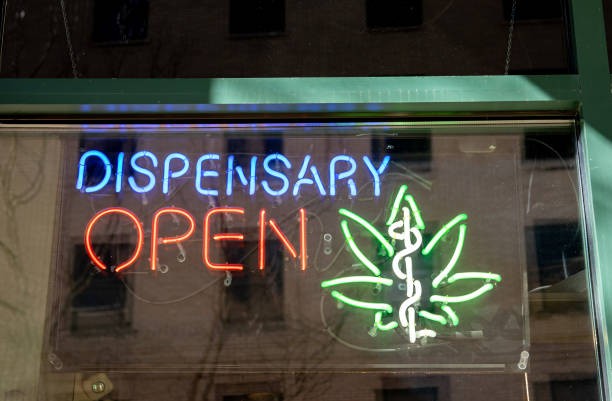
Medical marijuana dispensary sign Neon sign advertising legal, medical marijuana dispensary in store window. cannabis dispensary stock pictures, royalty-free photos & images

Conclusion: Due Diligence Ensures Safe Purchases

Taking time upfront to research a dispensary’s credibility prevents potential risks associated with unlicensed sellers or questionable practices. By verifying licenses, reviewing regulations, assessing credibility indicators, and leveraging customer feedback effectively, you’ll make safer choices while enjoying access to high-quality medical marijuana products tailored to your needs.

Exploring the Main Types of Marijuana Strains and Their Benefits

When navigating the world of medical or recreational cannabis, understanding the primary marijuana strains and their benefits is essential for making informed decisions. Cannabis comes in various strains, each offering unique effects and therapeutic applications. Below is a breakdown of the main types of marijuana strains and how they may benefit different users.

The Three Primary Cannabis Strains

  1. Indica
    Indica strains are known for their calming and sedative properties, making them ideal for relaxation or evening use. They often have higher CBD levels compared to THC, providing relief without an intense psychoactive effect. Common benefits include:
  2. Pain relief
  3. Reducing anxiety
  4. Improving sleep quality
  5. Muscle relaxation

Popular Indica strains include:
| Strain Name | Common Uses | Notable Characteristics | |——————|————————-|——————————–| | Granddaddy Purple| Insomnia, Stress | Sweet, grape-like aroma | | Northern Lights | Pain management, Sleep | Earthy flavor with sedative effects |

  1. Sativa
    Sativa strains are often associated with uplifting and energizing effects, making them well-suited for daytime use or tasks requiring focus and creativity. These strains typically have higher THC levels than CBD. Benefits include:
  2. Boosting energy levels
  3. Enhancing creativity
  4. Improving mood
  5. Alleviating symptoms of depression

Popular Sativa strains include:
| Strain Name | Common Uses | Notable Characteristics | |—————–|————————–|———————————| | Sour Diesel | Fatigue, Depression | Pungent aroma with citrus notes| | Jack Herer | Creativity, Energy boost| Spicy pine flavor |

  1. Hybrid
    Hybrid strains combine characteristics of both Indica and Sativa plants to provide balanced effects tailored to individual needs. Hybrids can be either Indica-dominant or Sativa-dominant depending on the genetics. Common benefits vary depending on the strain’s composition but may include:

    • Mood stabilization
    • Managing chronic pain with mild euphoria
    • Stress relief without heavy sedation
  2. Examples of popular hybrid strains:
    Blue Dream (Sativa-dominant): Aids in mild pain relief while maintaining energy.
    OG Kush (Indica-dominant): Effective for stress management without extreme drowsiness.

Choosing the Right Strain Based on Your Needs

  • For chronic pain, consider an Indica strain like Northern Lights.
  • If you need help staying focused during creative tasks, a Sativa such as Jack Herer may work best.
  • For those looking to manage general stress while staying functional throughout the day, a balanced hybrid like Blue Dream might be a practical option.

Factors That Affect Individual Experiences

The effect of cannabis isn’t solely determined by its strain type; other factors play a role: – Terpene profiles: Terpenes contribute to both aroma and therapeutic properties. – Consumption method: Smoking vs vaping vs edibles can affect onset time and intensity. – Cannabinoid content: THC/CBD ratios influence psychoactive effects.

By understanding these core differences among marijuana strains and tailoring your choice to your needs, you can make better-informed purchases tailored to your health or recreational goals. Always consult with dispensary staff if you’re unsure which strain is most appropriate for you—they are trained professionals ready to guide you based on your requirements.

Determining the Right Dosage and Choosing the Best Consumption Method

When it comes to medical marijuana, understanding the appropriate dosage and selecting the right consumption method is crucial for achieving optimal therapeutic effects. Both factors depend on a variety of personal and medical considerations, including your condition, tolerance level, and individual preferences. Below is a structured guide to help you make informed choices.

Factors to Consider When Determining Dosage

  • Condition Being Treated: Chronic pain, anxiety, insomnia, or nausea may require different dosages.
  • Tolerance Level: First-time users or those with low tolerance may need smaller doses.
  • THC vs. CBD Ratios: The desired effect (psychoactive or non-psychoactive) influences whether higher THC or CBD concentrations are best.
  • Body Weight and Metabolism: Heavier individuals or those with fast metabolisms might require higher doses.
  • Start Low and Go Slow: Begin with the smallest dosage possible and gradually increase until you achieve your desired effect.
Dosage Level THC Content Recommended Use Case
Microdose (1–2 mg) Low THC Beginners, mild symptom relief
Low Dose (2–5 mg) Moderate THC Minor pain relief or anxiety
Moderate Dose (5–10 mg) Medium THC Chronic pain or inflammation
High Dose (>10 mg) High THC Severe conditions like cancer pain

Popular Consumption Methods

  1. Pros:
    • Quick onset of effects (within minutes).
    • Easy to control dosage while inhaling.
    • May irritate lungs.
    • Less discreet than other options.
  2. Pros:
    • Rapid effects similar to smoking but less harmful to lungs.
    • Portable and discreet.
    • Requires specific devices which may be costly upfront.
  3. Pros:
    • Long-lasting effects—ideal for chronic symptoms.
    • No lung irritation due to inhalation.
    • Slower onset time (30 minutes to 2 hours).
    • Difficult to adjust dosage once consumed.
  4. Pros:
    • Fast absorption when taken sublingually (under the tongue).
    • Easily adjustable dosages using droppers.
    • Slightly bitter taste depending on formulation.
  5. Pros:
    • Designed for localized relief without psychoactive effects (e.g., creams, balms).
  6. Cons:
    • Limited use cases; not effective for all conditions.

Matching Your Symptoms With a Method

  • For immediate relief of acute pain or anxiety: Smoking or vaping might be ideal due to their quick onset times.
  • For managing chronic conditions like arthritis: Edibles or capsules provide extended symptom management throughout the day.
  • For localized issues such as muscle soreness: Topical applications target specific areas without systemic effects.

Tips for Safe Experimentation

  1. Always start with a small dose regardless of the method used, especially if you’re unfamiliar with cannabis products.
  2. Keep a journal to track your experiences—note down dosage amounts, consumption methods, timing, and effects felt over time.
  3. Consult a medical professional if you’re unsure about which option suits your treatment plan best.

Understanding how different dosages interact with various consumption methods allows individuals to tailor their medical marijuana use effectively while minimizing adverse reactions.

Comparing Prices, Product Selection, and Quality at Dispensaries

When visiting a dispensary, especially for the first time, understanding how to evaluate prices, product selection, and quality is essential to make informed decisions. Cannabis products can vary significantly between dispensaries, so knowing what to look for can help you find the best options that suit your needs.

Evaluating Prices

  • Set a Budget: Before visiting a dispensary, decide how much you’re willing to spend. This will help narrow your choices and avoid overspending.
  • Understand Taxes: In many states or regions, cannabis is subject to significant taxes. Ask dispensary staff about the total cost (including taxes) before finalizing purchases.
  • Compare Across Dispensaries: Use online resources or visit multiple dispensaries to compare prices for similar products. This research can reveal competitive pricing or discounts.
Product Type Approximate Price Range (varies by region)
Flower (per gram) $8 – $20
Pre-rolls $5 – $15
Edibles (10 mg THC) $10 – $30
Concentrates $20 – $60

Assessing Product Selection

  1. Most dispensaries stock Indica, Sativa, and Hybrid strains tailored for relaxation, energy boosts, or balanced effects.
  2. Look for detailed product descriptions or lab testing results provided by the dispensary.
  3. Common options include dried flower, tinctures, topicals, edibles, capsules, and vape cartridges.
  4. If you’re new to cannabis or unsure what suits you best, consult with knowledgeable staff.
  5. Some dispensaries may carry unique products like high-CBD strains or solvent-free concentrates.
  6. Check for limited-time promotions or seasonal offerings.

Determining Quality

  • Lab Testing: Ensure all products are tested by third-party laboratories for potency and purity. Look out for certifications that confirm the absence of pesticides and other impurities.
  • Appearance & Aroma: High-quality flower should appear fresh with vibrant colors (e.g., green with hints of purple or orange). The aroma should be strong yet natural—avoid anything smelling moldy or overly chemical-like.
  • Packaging & Storage: Check whether packaging is tamper-proof and clearly labeled with information like cannabinoid content (THC/CBD percentages) and expiration dates.

Tips When Comparing Dispensaries

  • Visit the dispensary’s website beforehand to explore their menu online.
  • Read customer reviews on platforms like Google Maps or Leafly to gauge others’ experiences with pricing and quality.
  • Ask about loyalty programs as some dispensaries reward frequent customers with discounts or credits.

By comparing prices thoughtfully while analyzing selection and quality carefully, buyers can ensure they are getting value without compromising on safety or satisfaction.

8 Essential Tips for First-Time Medical Marijuana Buyers

Navigating the world of medical marijuana can feel overwhelming for first-time buyers. With various products, strains, and regulations, it’s essential to approach the process with a clear understanding. These eight tips will guide you in making informed and confident decisions.

1. Familiarize Yourself with Local Laws and Regulations

Medical marijuana laws vary by state or country. Before purchasing cannabis products, ensure you understand the following: – Eligibility requirements: Check if your medical condition qualifies under local laws. – Possession limits: Verify how much cannabis you are legally allowed to purchase and possess. – Legal forms of consumption: Some jurisdictions may restrict edibles, concentrates, or other specific formats.

2. Obtain Your Medical Marijuana Card

For first-time buyers, having a valid medical marijuana card is often required to access dispensaries legally: – Consult a licensed healthcare professional to evaluate your eligibility. – Complete any necessary paperwork or applications mandated by your jurisdiction. – Always carry your card when visiting a dispensary.

3. Research Dispensaries Before Visiting

Not all dispensaries are created equal. Here’s what to look for when choosing a reputable provider: – Licensing: Ensure the dispensary is licensed and operates legally. – Reviews: Read customer reviews on platforms like Google or Leafly for insights into product quality and customer service. – Product selection: Look for variety in strains, products (e.g., edibles, oils), and potency levels.

4. Understand Different Strains and Their Effects

Cannabis strains fall into three main categories—Sativa, Indica, and Hybrid—each offering unique benefits: | Strain Type | Primary Effects | Best For | |—————–|—————————————|—————————–| | Sativa | Uplifting; boosts focus and energy | Daytime use; creative tasks | | Indica | Relaxing; promotes sleep | Nighttime use; pain relief | | Hybrid | Mixed effects (Sativa + Indica) | Varies based on blend |

Work with a dispensary staff member (often called a “budtender”) to select the best strain for your needs.

5. Start with Low Dosages

If you’re new to medical marijuana, moderation is key: – Begin with lower THC concentrations to gauge your tolerance. – Gradually adjust dosage based on effectiveness over time.

Tip: Keep track of how different dosages affect you by maintaining a journal.

6. Choose the Right Consumption Method

Medical cannabis can be consumed in various ways depending on personal preferences and medical needs: – Smoking or vaping: Offers quick symptom relief but may not suit individuals with respiratory issues. – Edibles: Provide long-lasting effects but take longer to kick in (up to two hours). – Tinctures or oils: Discreet consumption method with precise dosing control.

Discuss these options with dispensary staff to find the best fit for you.

7. Compare Prices Without Compromising on Quality

Pricing varies significantly between dispensaries due to factors like product quality or regional taxes: – Look out for deals or promotions at local dispensaries. – Pay attention to lab test results provided by some retailers that ensure product safety and potency.

Remember that cheaper options may compromise on quality—always prioritize safety over cost savings.

8. Address Privacy Concerns When Making Purchases

Many first-time buyers worry about privacy when purchasing medical marijuana: 1. Check whether the dispensary protects customer information securely during transactions. 2. Ask about discreet packaging options if privacy during delivery is important. 3. Use cash payments if you’re hesitant about leaving electronic transaction records.

Knowing your rights as a patient will help alleviate concerns related to confidentiality when buying cannabis products.

By adhering to these essential tips as a first-time buyer, you’ll feel more empowered navigating the complexities of purchasing medical marijuana safely and effectively while meeting your health needs responsibly.


Tags:

Comprehensive Security Training Guidelines for Cannabis Dispensary Dumbo, NY Employees

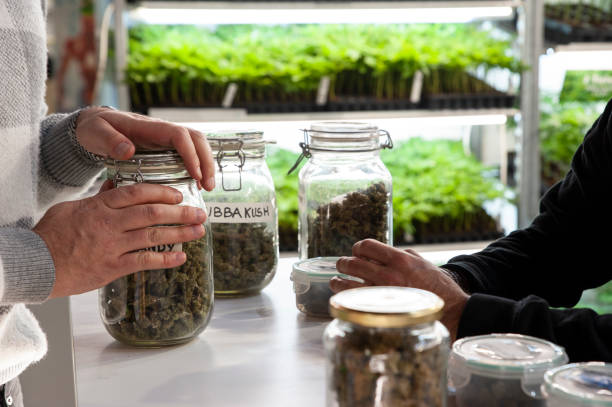
Jars full of dried cannabis flowering tops, on a table. Seller and buyer. Jars full of dried cannabis flowering tops, on a table. Seller and buyer during purchase. cannabis dispensary stock pictures, royalty-free photos & images

Dispensaries, like any other retail establishment, face unique challenges when it comes to security. As the cannabis industry continues to grow, ensuring employee safety and minimizing risks has become a top priority. Properly training dispensary employees on security protocols is essential for maintaining a safe working environment and protecting both staff and customers. Below are comprehensive guidelines to establish effective employee security training programs.

Key Components of Security Training

  1. Educate employees on common threats such as theft, fraud, or aggressive customer behavior.
  2. Discuss vulnerabilities specific to dispensaries, such as cash handling and product storage, which may pose higher risks due to the nature of the business.
  3. Train employees on how to respond in emergencies like robberies, fires, or medical incidents.
  4. Include clear instructions on when and how to contact law enforcement or emergency services.
  5. Equip staff with strategies for managing tense interactions with customers or colleagues without resorting to aggression.
  6. Role-play potential scenarios involving conflict resolution.
  7. Emphasize the importance of protecting sensitive business information such as sales data, inventory levels, and customer information from internal or external misuse.
  8. Teach team members how to effectively use security systems such as surveillance cameras, alarm panels, or access control features.
  9. Conduct regular checks and troubleshooting sessions for all technology-related security measures.

Benefits of Regular Training Sessions

  • Builds confidence among staff members by preparing them for potential incidents.
  • Reinforces adherence to policies that reduce liability risks for the organization.
  • Promotes accountability by making every employee an active participant in maintaining a secure environment.

Sample Table: Topics for Initial vs Ongoing Training

Initial Training Topics Ongoing Training Topics
Understanding Dispensary Risks Updates on New Regulations
Emergency Contact Procedures Emerging Threats & Scenarios
Surveillance System Basics Advanced Crisis Management
Theft Prevention Strategies Changes in Internal Policies

Best Practices for Implementing Security Training

  • Tailor Programs Based on Roles: Different positions may face distinct types of risks (e.g., front desk staff versus management). Ensure that each role receives relevant training.
  • Incorporate Hands-On Practice: Employees retain knowledge better through interactive simulations rather than just theoretical presentations.
  • Offer Refresher Courses: Schedule regular refresher courses every six months or annually so team members stay vigilant about their responsibilities.
  • Evaluate Training Effectiveness: Use quizzes, feedback forms, or mock scenarios post-training sessions to gauge retention and identify areas needing improvement.

By investing time in comprehensive dispensary employee security training programs, businesses can enhance safety while fostering a culture of accountability and preparedness among their teams.

How Dispensary Dumbo Ensures Strong Employee Security Protocols

Dispensaries operate in a highly regulated and sensitive industry, often handling large amounts of cash, valuable cannabis products, and sensitive customer information. This unique landscape makes robust security protocols for employees essential to ensure the safety of both the business and its personnel. Establishing strong employee security measures mitigates risks such as theft, unauthorized access, or breaches in customer data privacy.

Key Reasons to Choose a Weed Dispensary Dumbo with Strong Security Protocols

  1. Employee theft can take many forms, including pilfering inventory or mishandling cash transactions.
  2. Clear procedures paired with proper supervision help reduce opportunities for such incidents.
  3. Dispensaries can become targets for external threats like robberies or break-ins due to high-value inventory and cash on hand.
  4. Well-trained employees adhering to security protocols act as the first line of defense.
  5. Cannabis businesses must adhere to strict state laws governing operations, including security measures. Non-compliance may result in fines or license revocation.
  6. Dispensaries collect sensitive personal information from customers during transactions or loyalty program sign-ups, making them a target for cyberattacks if proper policies are not in place.

Key Factors for a Secure Marijuana Dispensary in Dumbo

  • Access Control Systems: Limit entry to restricted areas using ID badges or biometric systems.
  • Surveillance Technology: Install high-definition cameras to monitor key locations such as cash registers, storage areas, and entry points.
  • Inventory Management: Maintain detailed records of all product movements through reliable tracking software.
  • Cash Handling Policies: Reduce cash handling errors by introducing dual-verification processes during counting and deposits.
  • Cybersecurity Measures: Use strong passwords, firewalls, and encryption methods to protect digital systems.

Training Employees on Security Best Practices at a Recreational Dispensary Dumbo, Brooklyn

  • Conduct regular training sessions on identifying suspicious behavior from customers or colleagues.
  • Educate staff about emergency response measures during potential threats like theft or violence.
  • Role-play different scenarios (e.g., robbery situations) so employees know how to react calmly under pressure.

Table: Examples of Common Security Protocols

Category Example Protocol Purpose
Access Control Limit access via badges/biometrics Prevent unauthorized entry
Cash Handling Regular audits with dual verification Reduce internal theft
Surveillance Monitoring Continuous camera recording Deter suspicious activity
Cybersecurity Require multi-factor authentication Safeguard sensitive data

Benefits for Both Employers and Employees

  • Employers benefit from reduced financial losses and increased operational efficiency.
  • Employees feel safer at work when they understand how to handle potentially threatening situations securely.
  • Customers trust dispensaries more when they notice visible safety measures being followed.

By adopting rigorous employee security protocols tailored to their specific needs, cannabis dispensaries can create a safer environment that upholds both regulatory standards and community trust.

The woman gives money and receives bag marijuana A woman in a white dress gives money and receives a bag of marijuana. Courier delivers the order of pharmacy cannabis cannabis dispensary stock pictures, royalty-free photos & images

Recognizing Vulnerabilities: Non-Violent Employee Theft in Dispensaries

In the cannabis industry, dispensary owners and managers face unique challenges in safeguarding their operations against theft. While external threats often draw the most attention, internal vulnerabilities—particularly non-violent employee theft—pose a significant risk that must not be ignored. Understanding these vulnerabilities and implementing preventative measures is crucial for maintaining trust, protecting assets, and ensuring operational integrity.

Common Forms of Non-Violent Employee Theft

  • Cash Skimming: Employees may pocket small amounts of cash from daily transactions or manipulate register processes to hide discrepancies.
  • Product Misappropriation: Cannabis products or accessories might be taken for personal use or illicit resale without proper authorization.
  • Discount Abuse: Employees could misuse discount offerings by processing unauthorized discounts for themselves, friends, or family members.
  • Time Theft: Misreporting work hours, falsifying timesheets, or excessive time spent on personal activities during working hours can also drain dispensary resources.

Factors Contributing to Internal Vulnerabilities

Factor Description
Lack of Oversight Insufficient monitoring or management presence can create opportunities for unmonitored actions.
Poor Inventory Management Inaccurate tracking systems make it easier for employees to misappropriate inventory unnoticed.
Weak Workplace Culture A lack of accountability or ethical standards may encourage dishonest behaviors.
Inadequate Training Employees who are poorly trained on security protocols may exploit loopholes intentionally or unintentionally.

Strategies to Prevent Non-Violent Employee Theft

  1. Use seed-to-sale tracking systems that provide real-time updates on product movement.
  2. Conduct frequent inventory audits to identify discrepancies promptly.
  3. Limit access to inventory storage areas to authorized personnel only.
  4. Place cameras strategically across sales floors, storage areas, and cash-handling zones.
  5. Regularly review footage to identify suspicious patterns of behavior.
  6. Develop comprehensive employee handbooks outlining consequences for theft and policy violations.
  7. Require employees to sign agreements acknowledging these policies as part of their onboarding.
  8. Promote an open-door policy where employees feel comfortable reporting concerns without fear of retaliation.
  9. Recognize and reward honesty and integrity within the workforce.
  10. Implement a dual-verification process for counting cash at opening and closing times.
  11. Rotate employees responsible for handling cash regularly to reduce opportunities for manipulation.
  12. Screen new hires thoroughly before employment begins.
  13. Reassess existing staff periodically if warranted by changing circumstances.

Benefits of Proactive Measures

By proactively addressing non-violent employee theft risks in dispensaries, businesses can safeguard their financial health while cultivating trust among customers and team members alike. Taking steps toward transparency and accountability not only protects assets but also contributes to a more secure workplace environment designed for long-term success.

How to Implement Secure Closing and Opening Procedures for Your Dispensary

Ensuring secure opening and closing procedures for your dispensary is an essential part of maintaining the safety of your staff, customers, and assets. The cannabis industry is highly regulated, and dispensaries are often targeted due to the presence of both cash and product on-site. By following structured protocols, you can minimize risks and ensure smooth daily operations.

Key Components of Secure Opening Procedures

  • Two-Person Rule: Always have at least two employees present when opening the store. This ensures that no one is left vulnerable while preparing the facility for business hours.
  • Pre-Entry Inspection: Before entering the building, conduct an external inspection for signs of tampering, forced entry, or suspicious activity in the vicinity.
  • Controlled Access: Utilize keycards or biometric systems to grant access only to authorized personnel during opening hours. This minimizes unauthorized entry risk.
  • Alarm System Deactivation: Ensure alarm systems are properly disarmed upon entry using secure codes known only to approved staff members. Avoid sharing codes among employees unnecessarily.
  • Walkthrough Checks: Conduct a thorough walk-through of all rooms (sales floor, storage areas, restrooms) before unlocking doors for customers. Look for anything unusual or out of place that could indicate a breach or theft attempt overnight.

Young Woman Weighing Herbal Cannabis On A Scale In A Cannabis Shop In Thailand Young female retail worker weighing herbal cannabis (marijuana) on a weight scale in a cannabis shop in Thailand. Close-up. cannabis dispensary stock pictures, royalty-free photos & images

Best Practices for Secure Closing Procedures

  1. Perform an end-of-day inventory count.
  2. Document discrepancies immediately in case further action is required.
  3. Use digital tracking tools tied directly to your Point-of-Sale (POS) system for accuracy.
  4. Limit cash exposure by ensuring daily deposits are made before closing time.
  5. Store limited amounts in on-site safes equipped with time-delay locks.
  6. Follow strict dual-authentication protocols when handling large sums of money.
  7. Restrict access during restocking activities after hours.
  8. Lock all storage areas securely before leaving the facility.
  9. Double-check that all windows, doors, and exits are locked before reactivating the alarm system.
  10. Test alarms periodically to confirm they are functioning correctly.
  11. Employees should leave together rather than alone after locking up.
  12. If possible, schedule security personnel or management staff to oversee final exit procedures.

Tools & Technologies That Enhance Security

Tool/Technology Purpose Benefits
Biometric Access Systems Restrict access based on fingerprint/scan Prevent unauthorized key/code sharing
Video Surveillance Monitor activity inside/outside the store Provide evidence in case of suspicious events
Panic Buttons Emergency response tool Enable quick notification in emergencies
Smart Safes Store cash securely with tracking features Reduce internal theft risk

Training Employees on Procedures

  • Conduct regular training sessions on how to respond during potential threats like break-ins or robberies.
  • Emphasize teamwork by practicing coordinated opening/closing drills.
  • Train employees on how specific tools (e.g., alarms/safes) function so they know their responsibilities clearly.

By integrating these practices into daily operations, dispensaries can create a safer environment that protects their assets while prioritizing employee well-being and compliance with regulatory standards.

Why Employee Background Checks Are Essential for the Cannabis Industry

The cannabis industry is a rapidly growing sector, but its unique legal and financial complexities make it particularly vulnerable to security risks. One of the most effective ways to mitigate these risks is by conducting thorough employee background checks. These checks not only help protect your dispensary’s assets but also ensure compliance with local, state, and federal regulations.

Key Reasons for Conducting Background Checks

  1. Regulatory Compliance
    Many states require dispensaries to conduct background checks as part of their licensing process. Failure to comply with these regulations can result in fines, legal disputes, or even the loss of your license. A thorough screening process ensures your business remains compliant from the outset.
  2. Minimizing Internal Theft Risks
    Employee theft is a significant concern in dispensaries due to high-value inventory and cash transactions. Comprehensive background checks can help identify individuals with a history of theft or fraud, reducing the likelihood of internal losses.
  3. Building a Trustworthy Team
    The public perception of cannabis businesses is still evolving. Hiring employees with clean records fosters trust among customers, investors, and regulatory bodies alike. Well-vetted staff enhance your dispensary’s reputation as a professional and reliable operation.
  4. Preventing Liability Issues
    Hiring someone with a criminal history without proper vetting could expose your business to liability if that individual engages in illegal activities while on the job. Background checks provide an additional layer of protection against such risks.

Components of an Effective Background Check

  • Criminal Record Check: Focus on offenses related to theft, fraud, drug trafficking, or violent crimes.
  • Employment Verification: Confirm past employment history to validate experience claims.
  • Education Verification: Ensure any certifications or qualifications are accurate.
  • Reference Checks: Speak with former employers for insights into work ethic and reliability.
  • Drug Testing (where allowed): Although cannabis use may be legal in some jurisdictions, testing may still be relevant depending on job responsibilities.
Background Check Component Purpose
Criminal Record Check Identifies past illegal activity
Employment Verification Confirms experience and stability
Education Verification Validates qualifications
Reference Checks Assesses character and professionalism

Best Practices for Implementing Background Checks

  • Partner with reputable screening agencies experienced in cannabis regulations.
  • Obtain written consent from candidates before initiating background checks.
  • Clearly outline disqualifying factors during the hiring process.
  • Stay informed about Fair Credit Reporting Act (FCRA) guidelines and state-specific privacy laws.

Conducting employee background checks isn’t merely about mitigating risk—it’s about fostering a safe environment where employees feel secure and customers can trust your operations. By prioritizing this step in your hiring strategy, you set a strong foundation for long-term success in this competitive industry.


Tags:

Understanding Workplace Safety and Health Hazards at a Dispensary Dumbo Location

A cannabis dispensary sign with a large marijuana leaf on it. A cannabis dispensary sign with a large marijuana leaf on it cannabis dispensary stock pictures, royalty-free photos & images

The cannabis industry, including dispensaries, presents unique workplace safety and health challenges. As this sector grows rapidly, employers and workers must be equipped to identify potential hazards that may arise during daily operations. Addressing these risks is vital for ensuring employee well-being, regulatory compliance, and uninterrupted business functionality. Below is a comprehensive outline of common safety and health hazards specific to the cannabis industry.

Common Safety Hazards in Cannabis Workplaces

  1. Repetitive tasks such as trimming cannabis plants or packaging products can lead to musculoskeletal disorders (MSDs).
  2. Improper workstation setups can contribute to poor posture and strain-related injuries.
  3. Wet or slippery floors in areas with water usage (e.g., plant irrigation rooms) present a risk for slips.
  4. Poorly organized workspaces may lead to tripping over tools or products.
  5. The use of flammable substances during extraction processes increases fire hazards in some parts of the cannabis supply chain.
  6. Faulty electrical systems or improper storage methods can further elevate these risks.
  7. Workers are often exposed to cleaning agents, pesticides, fertilizers, and other chemical compounds that may pose respiratory or skin-related health risks if not handled properly.

Health Hazards Unique to Cannabis Dispensaries

  • Airborne Contaminants: Handling dried cannabis flowers may result in exposure to organic dust containing mold spores or allergens that can cause respiratory issues over time.
  • Pathogen Exposure: Working with high-touch surfaces where customers interact increases the likelihood of pathogen transmission if proper sanitation protocols are not in place.
  • Lighting Concerns: Prolonged exposure to artificial lighting with improper adjustments can strain workers’ vision or disrupt natural circadian rhythms.

Mitigating Risks Through Best Practices

Hazard Type Mitigation Strategy
Ergonomic Provide adjustable chairs and workstations; offer training on proper body mechanics
Slips/Trips/Falls Use non-slip mats; ensure clear walkways; conduct regular floor inspections
Fire Store flammable materials securely; install smoke detectors/extinguishers properly
Chemical Exposure Train staff on safe handling procedures; use personal protective equipment (PPE)

Importance of Training & Education

Regular training sessions ensure employees are well-informed about potential risks they might encounter on the job. Some essential topics include:
– Proper lifting techniques – Identifying early signs of ergonomic strain – Chemical handling protocols – Emergency response procedures for fires or medical incidents

By fostering a culture of awareness around workplace hazards specific to the cannabis industry, both employers and employees contribute to cultivating a safer environment for all stakeholders involved.

Comprehensive Overview of Cannabis Dispensary Dumbo, NY Operations and Best Practices

The cannabis industry has grown significantly in recent years, and dispensaries have become an essential part of this sector. Operating a dispensary successfully requires not only regulatory compliance but also the implementation of standard operating procedures, employee training, and customer satisfaction strategies. Below is a detailed look into key aspects of dispensary operations alongside best practices that ensure smooth business functioning.

Core Areas of Dispensary Operations

  • Accurate tracking of cannabis products from seed to sale.
  • Use of inventory management systems to monitor stock levels and prevent discrepancies.
  • Regular audits to ensure compliance with state requirements.
  • Adherence to local, state, and federal laws regarding cannabis sales.
  • Implementation of proper packaging, labeling, and dosage regulations.
  • Maintenance of accurate records for licensing authorities.
  • Educating staff on product knowledge, including strains, potency levels, and effects.
  • Safety training focused on handling cannabis products securely and ensuring workplace safety.
  • Customer service workshops to enhance interactions with clients.
  • Creating a welcoming environment for diverse clientele.
  • Offering consultations to help customers make informed choices based on their needs (e.g., managing pain or relaxation).
  • Ensuring confidentiality during transactions as personal information is often involved.

Best Practices for Effective Dispensary Management

  1. Implement Transparent Policies: Establish clear protocols for every aspect of the operation—ranging from product handling to employee conduct—to minimize errors or confusion.
  2. Leverage Technology: Utilize point-of-sale (POS) systems designed specifically for cannabis businesses that integrate inventory management with compliance reporting tools.
  3. Maintain High Security Standards: Protect assets through measures like surveillance cameras, secure storage areas for products, access control systems for employees, and cash transport security plans.
  4. Source eco-friendly packaging materials that meet legal requirements.
  5. Partner with suppliers who practice sustainable cultivation methods.
  6. Encourage recycling programs within the dispensary space for packaging waste reduction.
  7. Conduct regular reviews of evolving cannabis regulations in your state or region.
  8. Monitor consumer trends such as preferences for edibles versus flower products or CBD-focused items versus THC-dominant ones.
  9. Host educational seminars about responsible use or medicinal benefits of cannabis.
  10. Collaborate with local organizations to destigmatize cannabis consumption.
  11. Support community initiatives that align with your brand values.

Sample Checklist: Daily Tasks in a Dispensary

Task Frequency Responsible Party
Stock inventory shelves Daily Inventory Specialist
Perform cash reconciliation End-of-day Cashier/Manager
Sanitize counters/workstations Multiple times/day All Staff
Update digital menu boards As required Marketing Coordinator
Check security system functionality Weekly Security Personnel

By focusing on these operational areas alongside adopting best practices tailored to the unique challenges faced by dispensaries, owners can foster a safe environment while ensuring compliance and customer satisfaction at all times.

Exploring Workplace Exposures at a Weed Dispensary in Dumbo

The cannabis dispensary environment presents unique workplace exposures that employers and employees must address to ensure a safe and healthy working atmosphere. This growing industry is subject to hazards that range from physical risks to chemical and biological exposures. By identifying these potential threats, dispensaries can create safer workplaces for their employees while maintaining compliance with regulatory standards.

Common Workplace Exposures in Cannabis Dispensaries

  1. Cannabis Dust: Trimming and handling dried cannabis flowers can lead to airborne particles, increasing the risk of respiratory irritation or allergic reactions.
  2. Volatile Organic Compounds (VOCs): Some cannabis products, such as concentrates and extracts, emit VOCs during processing or packaging, potentially impacting air quality.
  3. Cannabis plants may carry allergens like mold or spores, which can trigger respiratory issues or skin irritations for sensitive employees.
  4. Employees handling products without proper personal protective equipment (PPE) may be exposed to microbial contamination.
  5. Extended periods of repetitive tasks, such as trimming or packaging cannabis products, can lead to musculoskeletal disorders (MSDs).
  6. Standing for long hours at counters or in fulfillment areas can cause fatigue and strain on the legs and back.
  7. Cleaning agents used for disinfecting surfaces in dispensaries can contain harmful chemicals if not handled properly.
  8. Residual pesticides on cannabis products can inadvertently expose workers during product handling.
  9. Given the cash-heavy nature of some dispensary businesses, workers face increased exposure to robbery attempts or physical violence.

Mitigating Workplace Exposures

  • Improve Ventilation Systems:
    Ensure proper air filtration systems are installed to manage airborne contaminants like dust and VOCs effectively.
  • Provide Proper PPE:
    Equip staff with gloves, masks, and other necessary protective gear when handling plants or cleaning chemicals.
  • Ergonomic Solutions:
    Offer adjustable workstations and encourage regular breaks during repetitive tasks. Anti-fatigue mats should be placed in areas where employees stand for long durations.
  • Training Programs:
    Conduct comprehensive training sessions on hazard recognition, safe product handling practices, and emergency procedures.
  • Security Measures:
    Install security cameras, alarms, and panic buttons while limiting access points within the facility.

Cannabis products shop sign, Krakow Krakow city in Poland was originally the capital of the country until 1956 but is now best known for its well-preserved medieval centre with its period architecture and spacious Rynek Glówny market square as well as the Jewish quarter and ghetto areas. cannabis dispensary stock pictures, royalty-free photos & images

Workplace Safety Data Table Example

Hazard Type Examples Recommended Controls
Airborne Contaminants Cannabis dust; VOCs Ventilation systems; masks
Biological Hazards Mold; microbial contaminants PPE; regular hygiene training
Ergonomic Risks Repetitive trimming; prolonged standing Anti-fatigue mats; adjustable tools
Chemical Exposures Pesticides; cleaning agents Safe use guidelines; proper storage

By recognizing these potential exposures early on and implementing proactive measures within dispensary operations, employers can prioritize worker well-being while fostering a safer work environment tailored to the unique challenges of this rapidly evolving industry.

Actionable Steps Employers Can Take to Improve Marijuana Dispensary Dumbo Safety

Ensuring a safe and compliant work environment in a cannabis dispensary is not only a legal responsibility but also a crucial factor in optimizing productivity and employee satisfaction. Employers can take meaningful steps to address safety concerns, mitigate risks, and foster a culture of safety within their dispensaries. Below are some actionable strategies that can help employers improve workplace safety effectively.

Conduct Regular Risk Assessments

  • Perform routine evaluations of the dispensary’s physical layout to identify potential hazards such as slippery floors, poor lighting, or improperly stored equipment.
  • Assess ventilation systems to ensure proper air circulation, especially in areas where cannabis products are handled or stored.
  • Identify ergonomic risks related to repetitive tasks like packaging or weighing products.

Provide Comprehensive Safety Training

  • Educate employees about workplace hazards specific to the cannabis industry, such as exposure to chemicals used in cultivation or handling large quantities of cash.
  • Train workers on proper handling and storage of cannabis products to prevent contamination or degradation.
  • Ensure employees know protocols for emergency situations, including fire drills and first aid procedures.

Implement Robust Security Measures

Dispensaries often handle significant amounts of cash and valuable inventory, making them potential targets for theft. Employers can: – Install surveillance cameras covering all critical areas, including entrances, exits, storage rooms, and parking lots. – Use access control systems such as keycards or biometric scanners to limit unauthorized entry. – Develop clear procedures around cash handling and transportation between registers and safes.

Security Measure Purpose Example Tools/Practices
Surveillance systems Monitor activity High-resolution cameras
Access control Prevent unauthorized access Keycards or biometric locks
Cash-handling policies Protect financial assets Dual-control vault systems

Promote a Clean and Organized Workspace

A clutter-free environment reduces the likelihood of slips, trips, and falls while improving operational efficiency. Key steps include: – Ensuring all walkways are free from obstructions like boxes or tools. – Creating designated areas for inventory storage with labeled shelves. – Encouraging regular cleaning schedules for common areas such as bathrooms and break rooms.

Establish Clear Communication Channels

Open lines of communication ensure that employees feel comfortable reporting hazards without fear of retaliation. Employers should: – Create an anonymous reporting mechanism for safety concerns. – Hold regular team meetings where workers can discuss operational challenges related to safety. – Provide updates on changes made based on employee feedback.

Ensure Compliance with Industry Regulations

The cannabis industry is highly regulated; failure to comply with local laws can result in significant penalties. Employers should: – Stay informed about federal, state, and local regulations pertaining to dispensary operations. – Maintain detailed records related to product tracking (seed-to-sale), health inspections, and staff training certifications.

Leverage Technology for Safety Monitoring

Examples Include:
1. Inventory Management Software: To prevent overstocking that could create cluttered storage spaces.
2. Digital Incident Reporting Tools: For tracking workplace injuries or near-misses more efficiently than paper logs.

By implementing these measures holistically across their operations, employers can foster a safe working environment that protects both their employees’ well-being and their business interests.

Understanding Consumer Safety at a Recreational Dispensary in Dumbo, Brooklyn

The use of pesticides in the cultivation of cannabis has significant implications for both product safety and consumer health. As the cannabis industry continues to grow, addressing pesticide usage is critical to maintaining regulatory compliance and ensuring the well-being of consumers. Below, we’ll explore the potential risks and offer practical insights into mitigating these hazards.

Understanding Pesticides in Cannabis Cultivation

Pesticides, including insecticides, herbicides, and fungicides, are commonly used in agriculture to protect crops from pests and diseases. However, their use in cannabis cultivation presents unique challenges:
Inhalation Risks: Unlike many agricultural products that are consumed orally or topically, cannabis is often smoked or vaporized. This method of consumption can expose users directly to toxic compounds if pesticides are present.
Residual Contamination: Improper application of pesticides can lead to residues remaining on flower buds or extracts, affecting purity and quality.
Unregulated Use: In some jurisdictions, there is limited regulatory guidance on approved pesticide types for cannabis cultivation, leading to misuse or overapplication by growers.

Health Impacts on Consumers

Exposure to pesticide residues in cannabis can result in a range of adverse health effects depending on the type and concentration of chemicals involved:
1. Respiratory Issues: Inhaling combusted pesticide residues may irritate airways and lungs or exacerbate existing respiratory conditions like asthma.
2. Neurological Effects: Certain pesticides have been linked to neurotoxicity when consumed over time, potentially leading to long-term health consequences.
3. Endocrine Disruption: Some chemicals interfere with hormonal systems, posing risks especially for vulnerable populations such as pregnant women or individuals with compromised immune systems.

Potential Pesticide Residue Associated Health Risk Common Source
Pyrethroids Respiratory irritation Mosquito/pest control
Organophosphates Neurological damage Agricultural sprays
Carbamates Endocrine disruption Fungicide applications

Addressing Pesticide Use for Consumer Safety

Ensuring consumer safety requires a multi-pronged approach involving cultivators, regulators, dispensaries, and consumers themselves.

Jars Of Cannabis Flowers A dispensary worker vending jars of cannabis. cannabis dispensary stock pictures, royalty-free photos & images

For Cultivators: Best Practices
  • Implement Integrated Pest Management (IPM) techniques that prioritize natural pest control methods over chemical solutions.
  • Regularly monitor environmental conditions like humidity levels that may encourage mold growth.
  • Use only state-approved pesticides and strictly adhere to application guidelines to avoid contamination.
For Regulators:
  • Establish clear lists of approved pesticide types for use in cannabis farming.
  • Enforce mandatory testing protocols that screen for harmful residues before products enter dispensaries.
  • Provide training programs for growers on safe pesticide practices.
For Dispensaries:

Dispensaries play a vital role as intermediaries between cultivators and consumers: – Partner only with licensed growers who adhere to strict safety standards. – Conduct third-party lab testing on all products before offering them for sale. – Educate customers about product labels detailing cultivation methods and screening results.

Empowering Consumers Through Transparency

Consumers also have a role to play in ensuring their own safety by being informed buyers: 1. Look for products labeled “pesticide-free” or “organically grown.” 2. Request Certificates of Analysis (COAs) from dispensaries detailing lab results. 3. Avoid purchasing from unlicensed sources where regulation is absent.

By understanding the impact pesticides can have on cannabis products—and taking proactive steps at every stage from cultivation through consumption—the industry can better safeguard public health while fostering trust among consumers.

Exploring the Impact of Pesticides on Cannabis Products and Consumer Safety

The use of pesticides in cannabis cultivation is a critical topic that impacts not only the quality of the final product but also consumer safety. As the legal cannabis industry grows, ensuring products are free from harmful pesticides is essential for public health, regulatory compliance, and maintaining consumer trust. This section examines how pesticides affect cannabis products and their implications for consumers.

Why Pesticide Use Is a Concern in Cannabis Production

Pesticides, when used improperly or excessively, can lead to contamination of cannabis plants. Since these products are consumed through inhalation, ingestion, or topical application, pesticide residues can directly impact human health. Unlike traditional crops regulated by agencies like the FDA or USDA, cannabis operates under state-specific rules due to its federal classification as a controlled substance. This has created inconsistent standards across jurisdictions.

Key reasons why pesticide contamination is concerning:
Health Risks to Consumers: Inhaling combusted pesticide residues can lead to respiratory irritation or systemic toxicity. Ingested traces may cause gastrointestinal symptoms. – Bioaccumulation: Cannabis plants have a high capacity to absorb chemicals from soil and water, increasing the likelihood of pesticide presence in final products. – Compliance Issues: States with legalized cannabis enforce strict testing protocols for contaminants like pesticides. Non-compliance can result in product recalls and legal penalties. – Environmental Impact: Pesticides used during cultivation may run off into local ecosystems, damaging soil health and water quality.

Common Pesticides Found in Cannabis Products

While regulations differ across regions, certain pesticides are frequently detected during product testing. Understanding these chemicals helps identify potential risks.

Pesticide Name Potential Effects on Health Reason for Use in Cultivation
Myclobutanil May release toxic gases when heated Used as a fungicide to prevent mildew
Bifenthrin Linked to neurological issues Protects plants from insects
Carbaryl Can cause skin irritation General pest control solution
Imidacloprid May disrupt endocrine functions Targets specific insect populations

Steps Dispensaries Can Take to Address Pesticide Contamination

To mitigate pesticide-related risks and uphold consumer safety standards, dispensaries must adopt proactive measures at every stage—from sourcing products to educating customers.

  1. Partner with licensed growers who adhere to state-mandated pesticide regulations.
  2. Verify compliance certificates for all incoming inventory through third-party lab reports.
  3. Regularly test batches for pesticide residues through certified laboratories.
  4. Provide transparent results via product labeling or dispensary websites.
  5. Inform customers about the importance of purchasing tested products.
  6. Highlight any organic or pesticide-free certifications on packaging materials.
  7. Stay updated on evolving state guidelines surrounding allowed substances.
  8. Participate in industry coalitions advocating for stricter oversight of cultivation practices.

Long-Term Implications of Safe Practices

By addressing concerns around pesticides head-on, dispensaries not only protect consumers but also contribute positively toward standardizing industry practices nationwide. Establishing trust through transparency regarding product safety builds customer loyalty while supporting broader efforts toward sustainability within cannabis agriculture.


Tags: